Literary Supper
For the last seven years, my reading group has organised a Literary Supper. We invite a speaker and ask them to speak for about half an hour, usually about their writing life and then we have supper. One of our number organises a quiz which we distribute round the tables and that gets people talking. So far we have had some wonderful speakers. We started with the crime writer, Francis Fyfield, who I got to know when I was a solicitor in private practice in London and she worked for what was then the Metropolitan Police solicitors.

television (Photo credit: jeevs)
After that we had Tim Heald, who writes both crime novel and biographies. By then I had begun the creative writing MA at Exeter University so I persuaded Sam North, who was long listed for the Booker Prize for his novel ‘The Unnumbered.’
Philip Hensher was also teaching on the course and he came to speak just after his novel ‘Northern Clemency’ had been shortlisted for the Booker Prize.
It was a bit hard to follow that, but we then had a very unusual speaker. Peter Goodchild was a TV producer with a particular interest in science and scientists and he talked about the Television series on Oppenheimer and how the script was written.
Last year I had been to CrimeFest in Bristol and met Rebecca Tope, another crime write and she came on route to delivering two pigs (she has as small holding as well as writing) to a local farmer. The next one is at the end of this month, and we have invited Helena Drysdale who writes fascinating travel books.
To begin with we did the supper ourselves mainly courtesy of Marks and Spencers, but last year and this we are having it at the Sheldon Centre and they do the supper for us using their home-grown vegetables. Most of the organising is down to me. I invite the speaker, do the publicity, print the tickets, collect the money and then pay the speaker and the caterers. Every year I swear I will not do it again, but it’s so popular that I can sell 50 tickets without much difficulty and everyone says how much they enjoy it and look forward to it. I guess I’m stuck with it. Anyone want to be the guest next year?
To self publish
That is the question? I have spent the last week researching the various companies who offer self-publishing. Some of them are the offspring of mainstream publishers, which is an interesting development. One has been trying a very hard sell, constant telephone calls to try and persuade me to take up a package with them. Others are more laid back, and simply give the details of the services they offer and then leave you to make your own mind up. 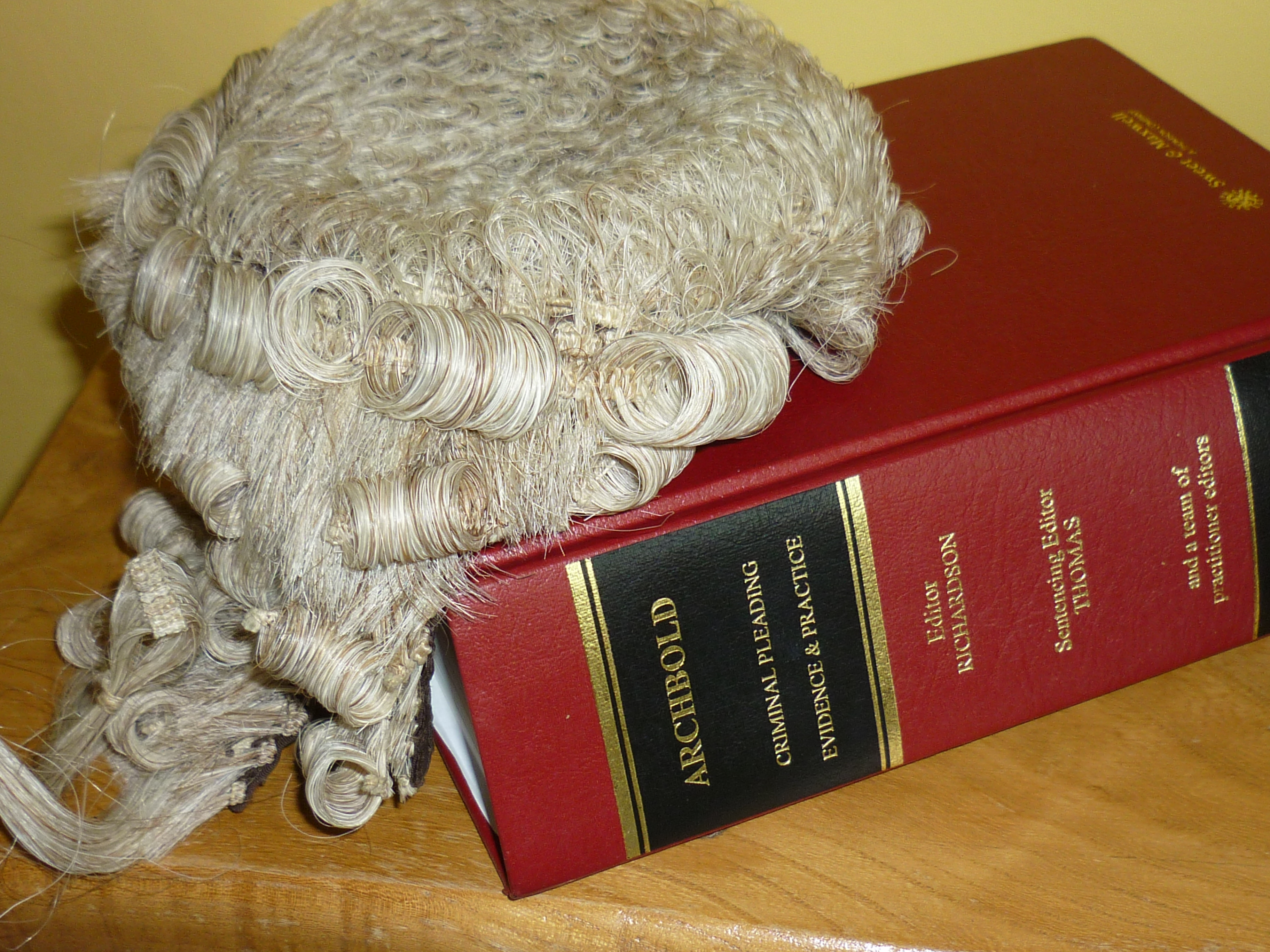
Of course like any writer I would love to have some publisher say they wanted to buy my book, but if I self publish does that mean my book is not worth any space on someone’s bookshelf or Kindle. There is a lot of snobbery about self publishing, that only books published by the big publishing houses are properly edited and marketed and therefore are ‘proper’ books. When I look at the diet of books in the bookshops I do wonder if that is correct, there is a mixture of chefs and celebrities everywhere. Some very good books get little or no marketing when they are published. I can think of two books I have read recently that I had trouble finding in a large branch of Waterstones.
It seems to me that one of the advantages of publishing ones own book is the time factor. Even of you get an agent it may take time for them to sell the book to a publisher and then the publisher will take some months to actually put your book into the shops.
Then there is question of the amount you can expect to earn from selling the book. I don’t know what writers earn, but not everyone is going to be a best seller and earn millions. Only three years ago we were told that the average earning for a writer were £6000. So stick to the day job seemed to be the message.
The problem is the cost of self publishing to the same standard as the publishing houses, my research reveals it could be around £5000, which I is rather a lot. That would include editing, copy editing, cover design, printing usually a limited number of copies, preparing an e-book and marketing. Still most people can’t afford that amount.
The first stage of self publishing is getting the book professionally edited and I have taken that course today. The first step on what I hope will lead to me having a copy of the book, Crucial Evidence, in my hands in due course.
Winter Birds
Yesterday I stopped at the front door and looked out at the two beds of roses that line the footpath. The roses are low-growing varieties,

Long-tailed Tit (Aegithalos caudatus) (Photo credit: Wikipedia)
Fairy and Ballerina, although there are no flowers only rosehips at this time of year. For a moment I thought the bushes were moving, then I realised the branches were full of tiny birds that looked like the ‘Snitch’ from a Harry Potter novel. They were Long Tailed Tits, small balls of feathers, mainly white with a black streak across their heads and pale rose coloured breasts. I watched them for some minutes as they flew between the bushes, stopping to cling like acrobats as they pecked at the stems. It was difficult to count them they moved so fast, but I think there must have been about twenty. I have seen them in our garden before, eating seeds from the birdfeeder and flying in and out of our large oak tree, but never so many at once, although I believe they live in social groups. Whatever, they were a delight to see on a chilly winter morning.
By the Seaside
After I posted my haiku ‘Beach Life’ I just had to go to the seaside, so I pushed trying to write the synopsis of my novel to one side and we went to Padstow in Cornwall. After the deluge over the last few months we had a clear day. The tide was very low so we walked along the beaches of the estuary towards the sea. In the distance a line of waves breaking into surf showed where the bar held the sea back. The sand is a deep gold-beige, but as we got nearer to the sea it began to shift under our feet, and our footprints made deep impressions. Rudi, even on four paws, was unhappy, afraid of being held fast by the wet sand, so we headed back into town for lunch at a Michelen listed restaurant. Mussels in a broth, followed by mackerel with beetroot and orange salad.
 Padstow is on the west side of the river and the sun didn’t flood the scene with light until after lunch, when I took this photograph of the boats in the harbour.
I loved the bright colour of the hulls and the buoys.
And how lovely to feel the sun on my face.
PS has anyone got some good
tips on how to write a synopsis
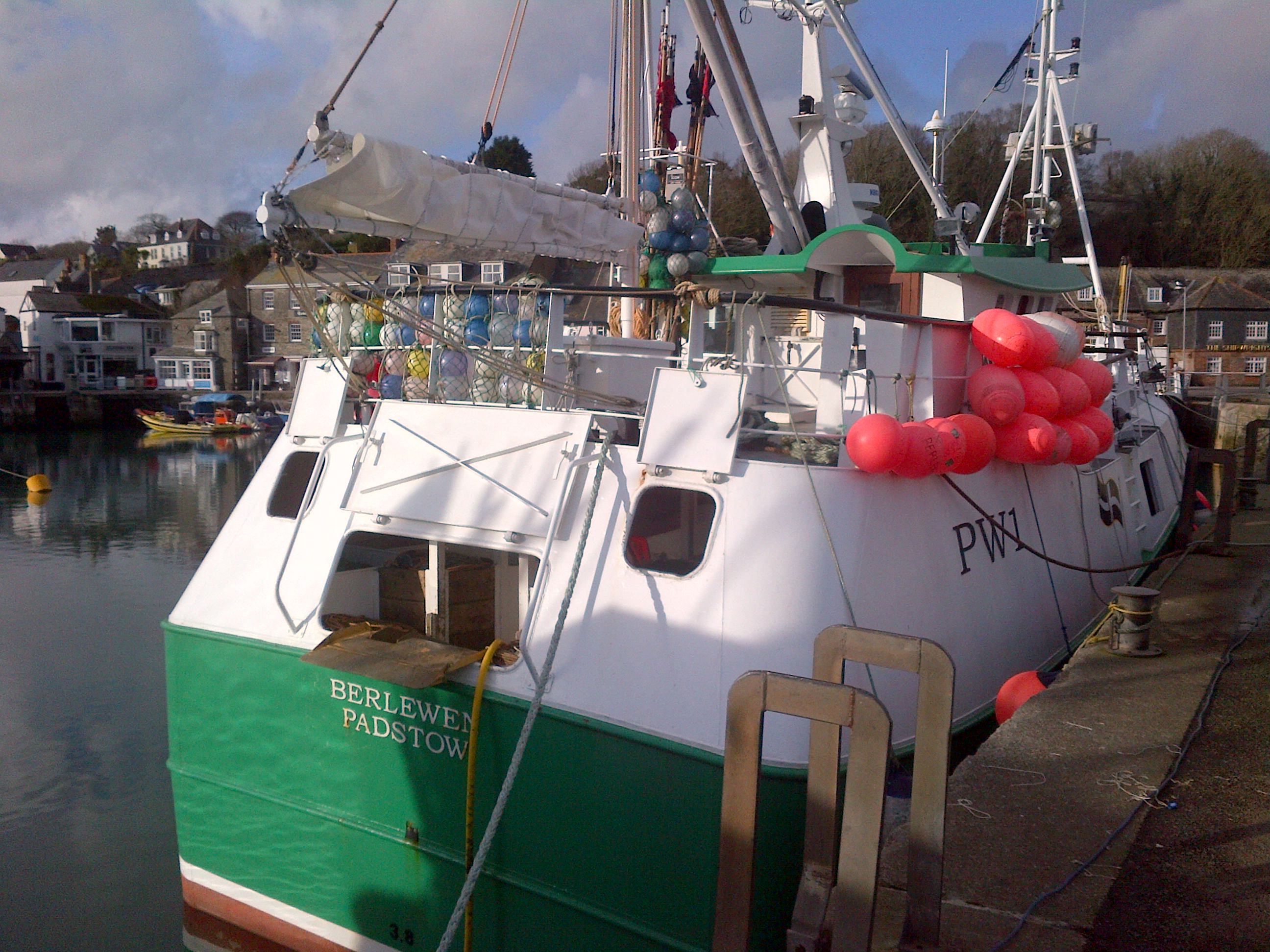
Boats in Padstow harbour
Beach Life

A large promotional deckchair on the Western Esplanade at Ryde, Isle of Wight, there to promote a business hiring out deckchairs to tourists for use on the beach at Ryde. For a comparison, a standard size deckchair can be seen next to it. (Photo credit: Wikipedia)
Beach Life
Wet suited surfer
rides the wild and rolling waves
toward the sandy beach
Children build sand castles
with painted bucket and spade
by waters edge
Large male in white shirt
knotted handkerchief on head
sleeps slumped in deckchair
Teenage girl in shorts
turquoise T shirt and flip flops
slowly eats ice cream
Baby on all fours
crawling fast along the beach
pursued by father.
Dressed in purple
elderly lady wrestles
with striped deckchair.
Young woman wrapped
in beach towel wriggles
to remove bathing suit.
This time of year it’s good to dream.
Christmas Garland
Ever year at the Tudor house, Cotehele Cornwall, a garland is made from flowers grown in the gardens over the summer. It hangs in the hall of this magical old house, to attract visitors to the property. We went on Friday and although it was thinner than it has been in the past, due to our atrocious summer, nevertheless it is still a reminder of the time when the Christmas decorations were not bought in a shop.

 Happy Christmas and wonderful New Year
Early Reading Habits
My younger brother has gone to bed; my mother is sitting by the fire sewing. My father is sat opposite her in a large armchair with me on his lap, leaning against his scratchy woollen sweater, my head tucked under his chin and my thumb in my mouth. He is holding a small buff-coloured book from which he  is about to read.
I can see the pictures on the open page; the vegetable patch with the rows of lettuces, a spade stuck in the ground and the back of Mr McGregor leaning on it. Peter is hiding under a large leaf, his inquisitive face looking towards the burly gardener. I can almost see Peter’s nose twitching. I point at the pictures, identifying the objects in it.
Then my father begins, ‘Lettuces are soporific.’
So began my interest in books. Today I picked up my battered copies of Beatrix Potter’s books with the intention of throwing them away. They are so distressed, the spines missing or torn, pages stuck in with ageing sellotape; they are not fit to pass onto another child. But I couldn’t put them with the rubbish, they are too precious, so I have put them back on the shelf.
Hollywood
Not the town in California, but the exhibition at the Victoria and Albert Museum in central

English: Victoria and Albert Museum in London Svenska: Victoria and Albert Museum i London (Photo credit: Wikipedia)
London, where there is an exhibition of clothes designed for some of the most famous characters in films.
Amongst the exhibits was the navy tailored suit, Meryl Streep wore when she played Mrs Thatcher and next to it the outrageous playsuit she wore in Mama Mia. One clearly spoke of power and control and the other of sex and outrageous behaviour; there is no way they could be interchanged.
Another exhibit explained how the clothing for Harrison Ford as Indianna Jones was designed and then aged to provide the lived in look of a 1940’s explorer. The designer had used as a blueprint, the early adventure films.
I began to think about the importance of clothing to establishing character. I do imagine them in various clothes until I find something I think is appropriate for their personalities and for different events in the story line. Obviously, a barrister will wear a wig and a gown over a dark suit, when she is in court, but what about when the character is not working.? Is she a jeans and T-short type or would she wear a skirt and blouse. What about a female detective? Would she wear trousers to work with a trench coat or something more feminine?
Do you imagine characters in different outfits and do you use the clothes to help define the character to the reader.
London
Just spent a few days in London, reminding myself why I like the city so much. Of course there are the usual tourist things, the theatre and art galleries, the major sights. We went to see The Magistrate at the National, and it was a very enjoyable evening, a bit like a panto. But it’s not that, although the cultural  life was the reason I moved to London. I think the attraction for me is the energy that so many people hurrying around seem to engender. There is always the possibility of some suprise, of changes occuring that create a new experience. The Shard glittering in rain, a new art gallery, an extension of the Serpentine Gallery, being built in Hyde Park. It’s still wrapped in its plastic sheeting so its shape is a secret but the architect is Zaha Hadid, so it should be an exciting addition to the landscape. I came across a class for nervous cyclist (or even teaching those who can’t) in Little Wormwood Scrubs Park. I watched an elderly woman on a three wheeler set off cautiosly round the park, and two girls who said they hadn’t ridden bikes for years racing round. That’s another new addition to the street scene, the blue rows of ‘Boris’ bikes. These are the sort of places and events I need to keep my novels up to date.
I’ve also discovered a pedestrian route under the Westway which would make a great setting for a crimestory. It runs between a number of sports facilities, a sand ring with two disconsolate looking ponies, empty fives courts, a climbing frame and a sculpture that looks like a set of coloured pencils bent in peculiar shapes. Next time I go I must take a camera and photograph the route.
The photograph is the set for The Magistrate from the back of the circle.
Does anyone have any other ways of keeping the locus of their novels real.
Childhood Home
In my blog Sense of Place, I suggested that homes live in the memory and we are able to describe them in detail. Whether that detail is correct is, of course, open to debate, our memories are faulty, and we probably describe home as we want it to be rather than as it really was. I thought it would be a good exercise to describe some of the places I have called home and see if I can make them real again. I’ll begin with the house I lived in as a child, from the age of one to soon after my tenth birthday. It was in a village on the western side of the Pennines, called Edenfield.
I hesitate to call my first home a house as it had originally been the village market hall, and was, at the time we lived, there a shop. It was situated in Market Place at the junction of two busy roads, one went to Bury and then Manchester and the other to Rochdale. A roundabout occupies the place now.

Edenfield Village Centre – geograph.org.uk – 399389 (Photo credit: Wikipedia)
Our home was rather burrow-like as we lived in the back part of the building and the rooms were dark and only really cosy in winter when the fire was lit. From the parlour there was a stone-flagged corridor that led into a tiny kitchen, where my mother cooked and washed. There was a smell of wet clothes emanating from the copper, as steam filled the kitchen, to be followed by the sound of rollers wringing the clothes before they were hung out on lines in the back yard.The other smell was a mixture of linseed oil and paraffin. The linseed oil came from cans of putty, which were for sale in the shop and the paraffin was spilt as it was poured from large canisters into cans brought by customers. During the day there would be the sound of the plumbers and apprentices my father employed as they worked above our heads, the bang of hammers, the hissing of soldering irons and their chatter.
After a few years we moved upstairs and lived over the shop. The picture shows the view from the large sitting room window. But I will come back to those years later.

 scribblingadvocate